
Few things rattle a homeowner quite like realizing there is a bee colony living inside the walls of their home. It is the kind of discovery that raises immediate questions. How long have they been there? How big is the colony? Is it safe to stay? What happens if you ignore it? Wagner Pest Solutions works through exactly these situations with homeowners every spring — and the answers matter more than most people realize. 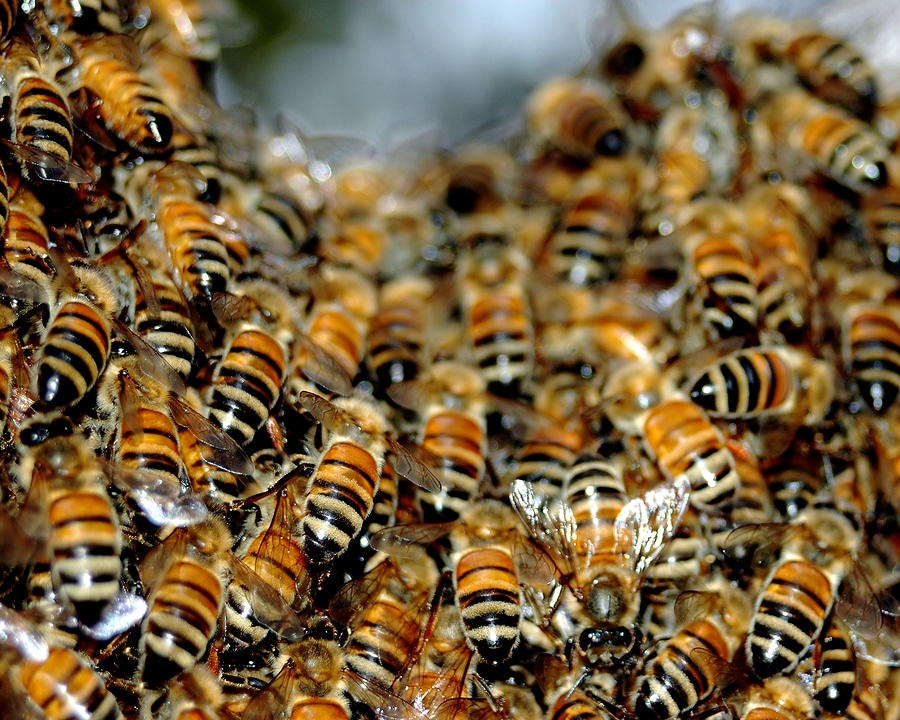
How They Got in Without You Noticing
Bee colonies do not move in all at once. A scout bee finds a gap like a weep hole in brick or a crack in stucco. It reports back. A small cluster follows. The colony establishes gradually, often beginning during a warm stretch in early spring when scout activity peaks. By the time you notice a steady stream of bees traveling in and out of a specific point, the colony may already be weeks old and thousands-strong.
What Happens Inside the Wall as the Colony Grows
This is the part most homeowners do not think about until it is too late. An active colony builds honeycomb continuously. That comb fills with honey and brood cells. In an Arizona summer, the heat inside a wall cavity melts the comb, and then honey seeps into the wall materials. Eventually, it attracts other pests — ants, beetles, and other insects drawn to the sugar source. The structural and moisture damage that results from an untreated, melting hive inside a wall can be significant and costly to repair.
Why You Should Not Seal the Entry Point Yourself
The instinct to plug the hole and trap the bees inside is understandable. It is also one of the most counterproductive responses possible. Bees sealed inside a wall will find another exit. Sometimes that means chewing through drywall into the home’s interior. Keep in mind: a sealed hive with no exit cannot be properly accessed or removed, turning a manageable situation into a structural removal project.
The Africanized Factor Changes the Equation
In the greater Phoenix area, any colony discovered in a structural void should be treated as a potential Africanized honey bee colony until a professional can assess it. Africanized colonies respond to perceived threats with speed and intensity that European honey bee colonies do not. Disturbing the entry point, running equipment near the nest, or attempting removal without proper protective equipment creates a genuinely dangerous situation. This is not a DIY project.
Call Before the Colony Gets Any Bigger
Wagner Pest Solutions serves all of Glendale, AZ, providing professional bee control services by certified technicians who understand the specific risks of Arizona’s bee populations. We also offer ant control, American roach control, and scorpion control to keep your home protected from the full range of spring pests. Request service at (623) 466-6752 today!